


Ahmo Letter
Kenya in August and September: Weather, What to Wear, and Safari Packing Essentials
Weather is usually the first thing you think about when planning an African safari. A Masai Mara safari — the centrepiece of most Kenya trips — keeps you outdoors for hours at a time, so packing clothes suited to the season really matters.
August and September fall in Kenya's drier season, which makes them a great window for safari. In the Masai Mara they also overlap with the Great Migration, so the chance of dramatic wildlife sightings is high — one reason these months are so popular.
That said, temperatures in Kenya vary a lot by region and altitude, and even within a single day the morning and the afternoon can feel completely different. Here is everything from Kenya's August and September weather to what to wear in each region and the essentials worth packing for a safari.
What is the weather like in Kenya in August?
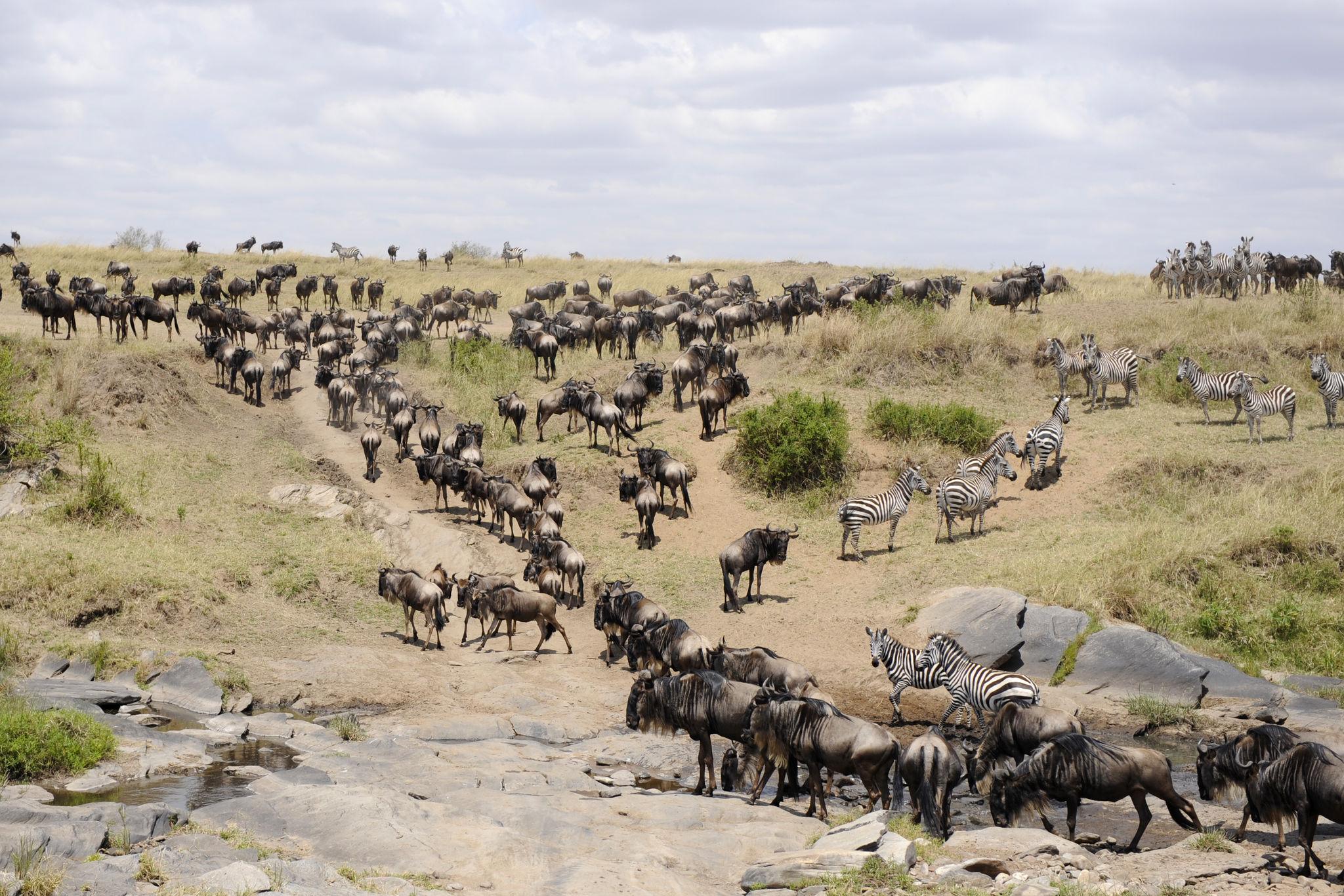
Kenya sits near the equator, but its climate changes sharply with altitude and region. Highland areas such as Nairobi and the Masai Mara are cooler than you might expect, while Mombasa on the Indian Ocean stays warm and humid all year round.
August and September generally fall within the dry season. Clear days are common and humidity is relatively low, which makes it easy to combine city sightseeing with safari. August is one of Kenya's cooler months, and daytime temperatures start creeping up from September.
Dry season does not mean it never rains, though, so a light rain poncho or a waterproof jacket is worth packing. Because of the altitude differences, coastal areas are hot and humid while the highlands can be cold and damp. Official tourism guidance also describes June to August as a cooler season than the rest of the year.
Nairobi weather in August
Nairobi sits at about 1,700m above sea level, so despite being close to the equator it gets fairly chilly in the mornings and evenings.
- Daytime: about 22–24°C
- Morning and night: about 10–14°C
- Cool and dry, with a wide day-to-night swing
The sun is strong enough to feel warm during the day, but temperatures drop quickly once it sets. Rather than packing only short sleeves, bring a light knit or a packable down jacket to be safe.
Read next: Nairobi National Park Half-Day Safari Tips
Masai Mara weather in August
August in the Masai Mara brings little rain and plenty of clear days, which makes it a great time for safari.
- Daytime: about 24–25°C
- Dawn and night: about 10–12°C
- Dry and clear, but it can be cold in the early morning
Average August temperatures in the Masai Mara run from a low of about 12°C to a high of about 25°C. On dawn game drives in particular, the wind coming through an open safari vehicle can make it feel far colder than the thermometer suggests.
Read next: Masai Mara Safari Cost: The Complete 3-Night, 4-Day Budget Guide
What about the weather in Kenya in September?
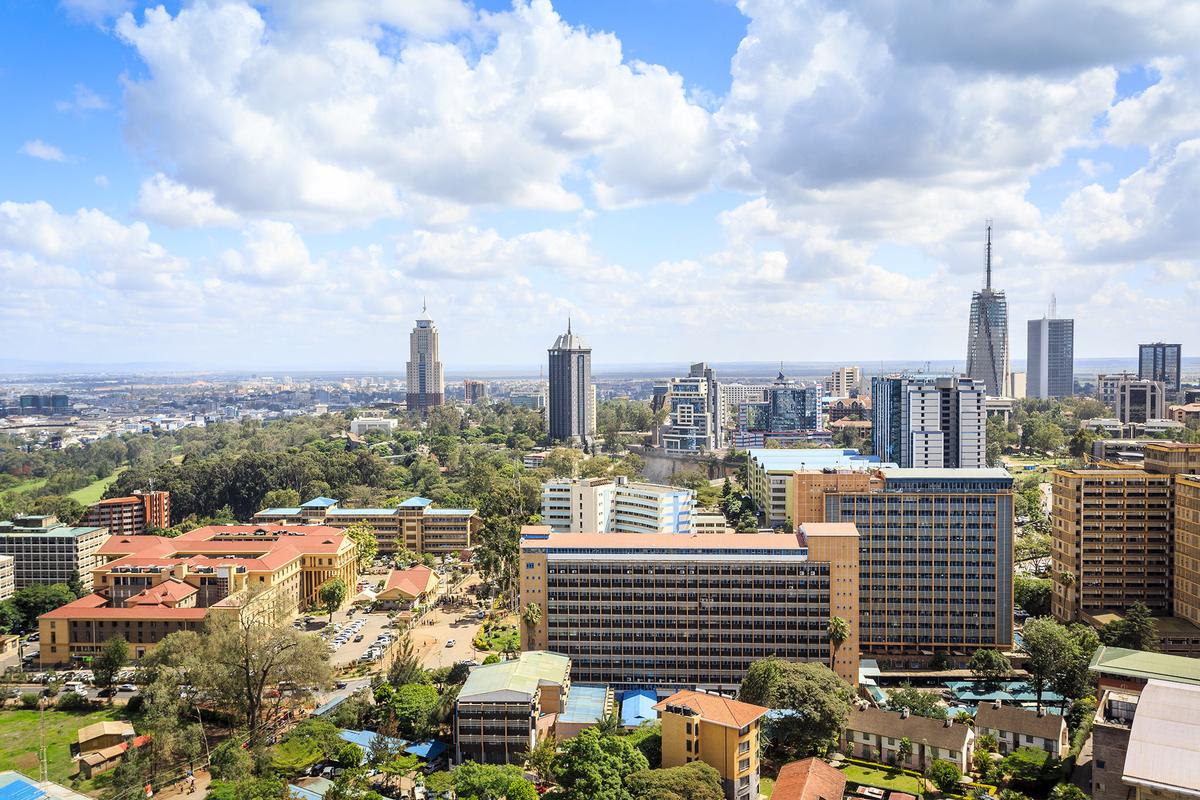
The dry season continues into September, so it remains a good month for a Kenya safari. Daytime temperatures are slightly higher than in August, but mornings and evenings are still cool.
Nairobi weather in September
- Daytime: about 24–27°C
- Morning and night: about 11–15°C
- Character: warm during the day with strong sun
- Rainfall: little rain, but occasional showers are possible
Short sleeves or a light long-sleeved top are enough during the day, but you will want a windbreaker or a light jacket for mornings and evenings.
Masai Mara weather in September
- Daytime: about 25–27°C
- Dawn and night: about 12–14°C
- Character: a little warmer than August, but with a wide daily swing
September stays dry enough for good wildlife viewing. Localised showers are still possible, though, so pack a portable rain poncho.
What should you wear in Kenya in August and September?
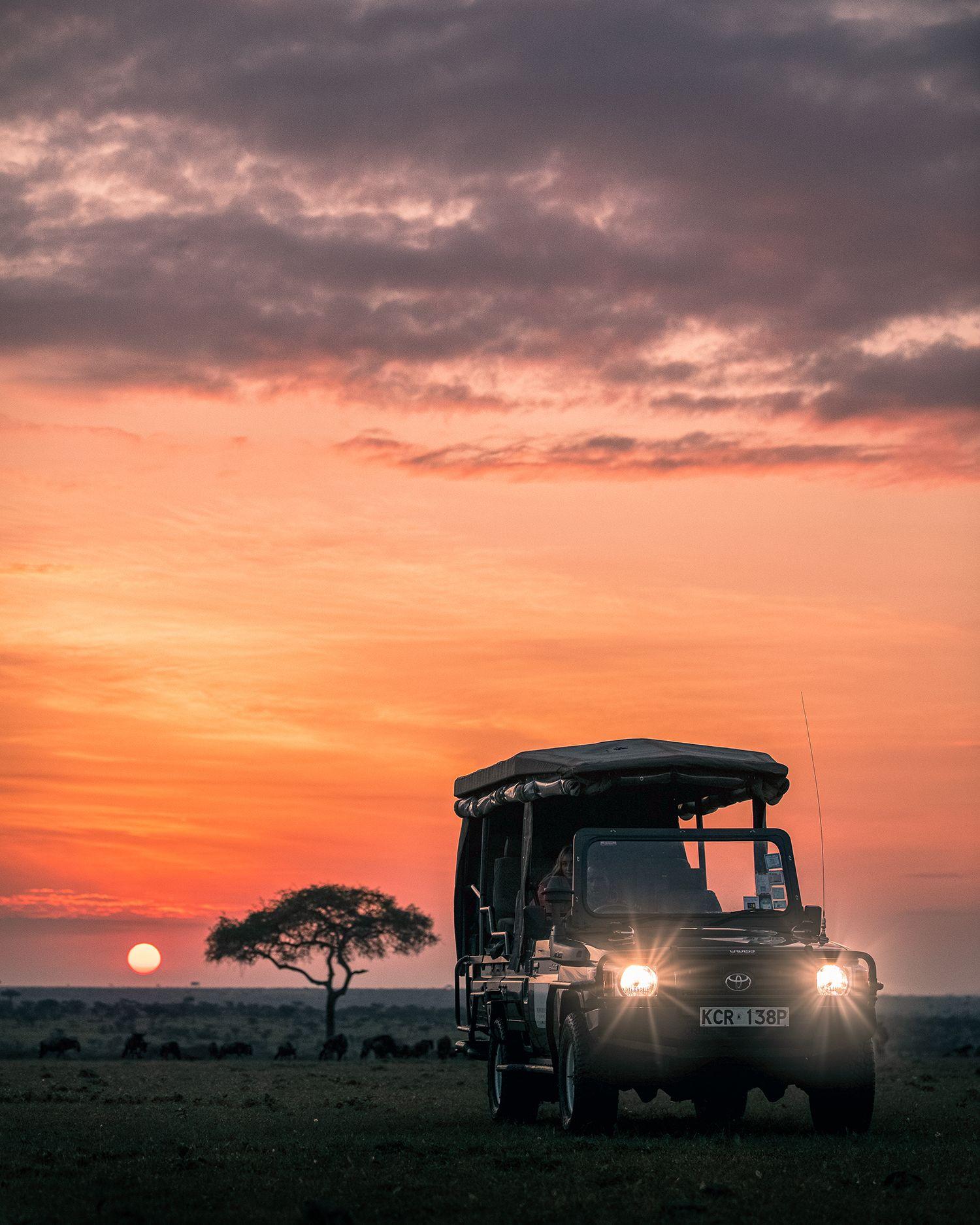
The key to dressing for Kenya is layering. Dawn is cold and midday is hot, so choose pieces you can add and remove easily as the temperature changes.
What to wear on a dawn safari
Masai Mara game drives usually start before sunrise or in the early morning. The vehicle takes the wind head-on as it moves, so staying warm needs some thought.
- A light long-sleeved top and a T-shirt
- A hooded zip-up or a fleece jacket
- A windbreaker and a packable down jacket
- Long trousers
- Trainers or hiking shoes
- A thin scarf or neck warmer
If you feel the cold easily, thin gloves or a beanie are worth adding.
On safari days in particular, muted natural colours such as khaki, beige and brown work best. Avoid strong primary colours or anything too eye-catching, and choose long trousers over shorts to protect your skin from insects and the sun.
What are the essentials to pack for Kenya?
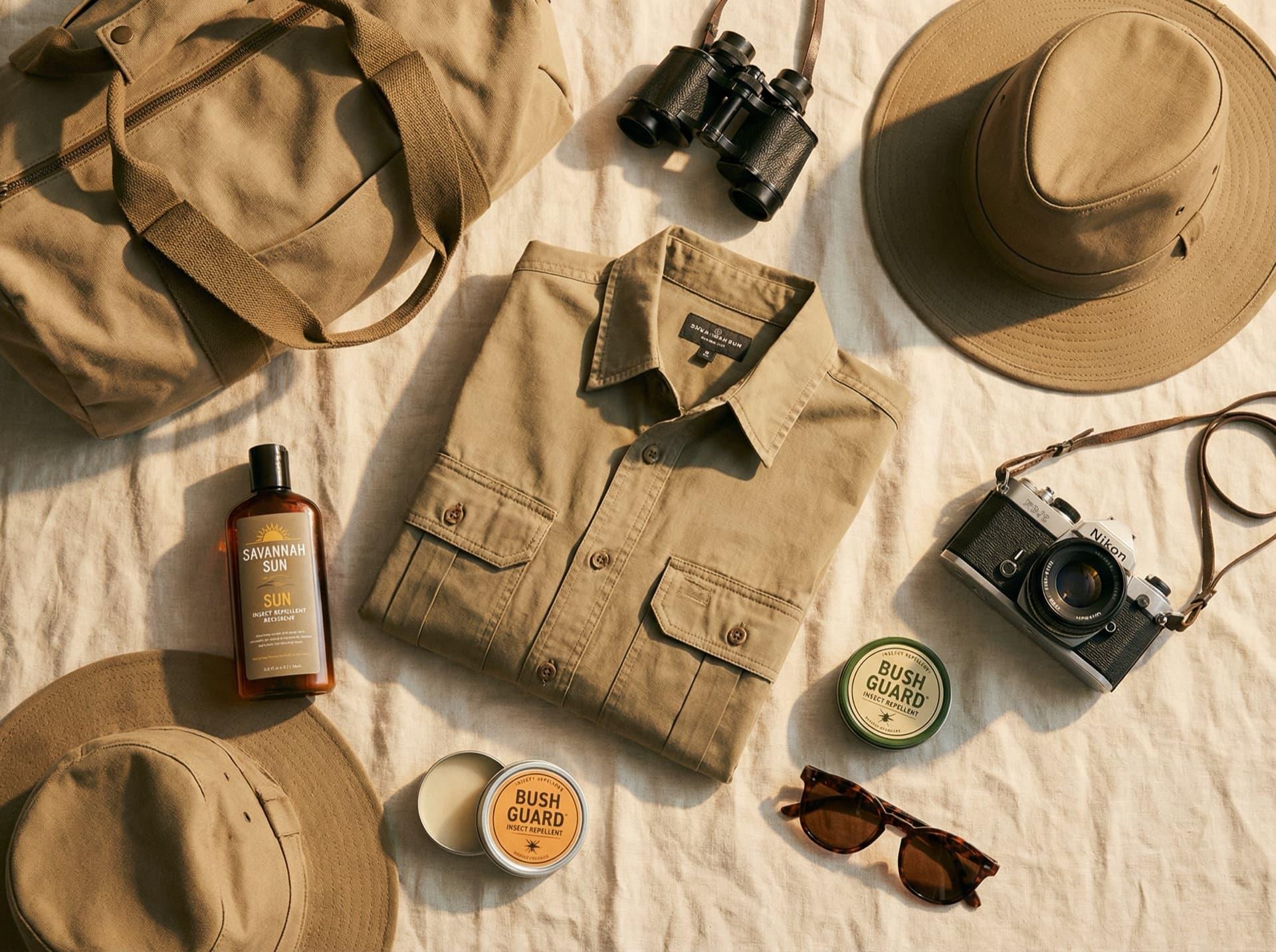
- Sun protection — the sun and UV are strong in Kenya. On safari you are outdoors for hours at a time, so reapply sunscreen regularly.
- A warm outer layer — it is easy to assume Africa is always hot, but dawn in the Masai Mara can drop to around 10°C. A windbreaker alone may not be enough, so bring a fleece or a packable down jacket as well.
- Binoculars and a camera — you need to keep your distance from the animals, so binoculars make a safari far more vivid. Charging options can be limited on safari, so bring plenty of spare batteries.
- Dust and rain gear — in the dry season dust is more of a nuisance than rain. A scarf is useful not only against dust but also against the early-morning chill and the strong sun.
Read next: 9 Essentials to Pack for Your First East Africa Safari
Your itinerary matters as much as the weather
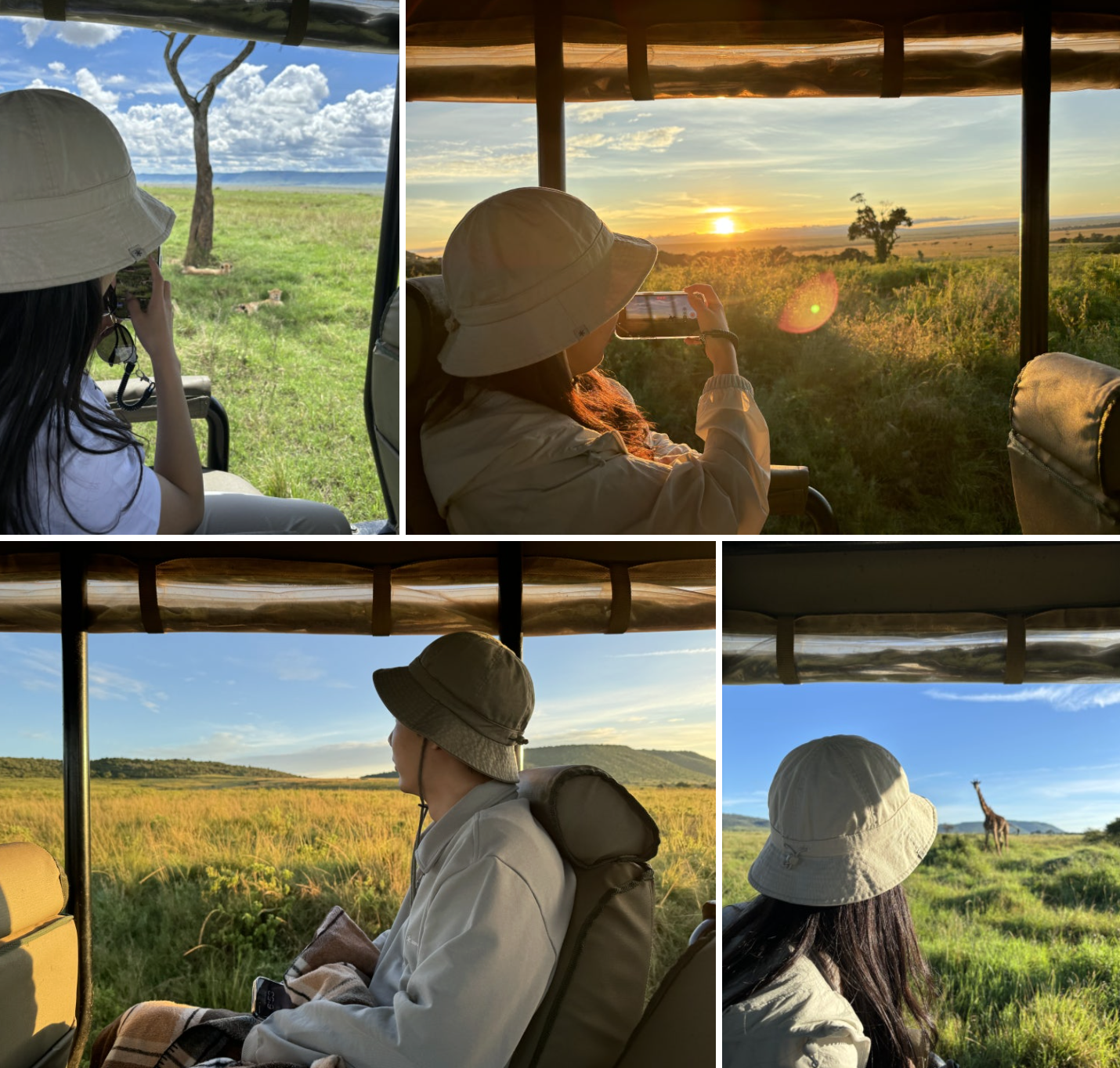
Weather, travel distances and the style of travel all differ across Nairobi, the Masai Mara, Amboseli, Nakuru and Mombasa. Rather than cramming in as many famous sights as possible, plan your route around your trip length, your energy levels, the animals you want to see and the kind of lodges you prefer — that is how you really experience Kenya.
Ahmo Travel does not fit travellers into a fixed package; we design your Kenya trip around the itinerary you want. Safari-focused routes, safari plus beach time, family trips, trips with friends — tell us the style you are after. We will connect the complicated domestic transfers, lodges and safari schedule into a Kenya trip that is entirely your own.🦒
Your exciting adventure begins the moment you reach out to us
Ahmo Letter Collection
#Peru · South America · Travel Tips
Peru in August and September: Weather, What to Wear, and Packing Essentials
August and September fall in Peru's dry season — a great window for Machu Picchu and the Andes. But the weather changes sharply with region and altitude, so here is what to wear in Lima, Cusco and Machu Picchu, the essentials worth packing, and how to prepare for the altitude.
2026.08.10

#Peru · South America · Travel Tips · South America Package
Skip the Constraints of a South America Package Tour: A 1:1 Custom Trip on Your Dates, Your Route, Your Pace
Fixed routes, fixed departure dates and minimum group sizes — South America package tours come with constraints you may not expect. Ahmo Travel's 1:1 custom travel starts from the countries, dates and trip length you want: freer than a package, more reassuring than going alone.
2026.08.10

#Tanzania · Safari · Serengeti · Ngorongoro · Packing List
Tanzania in August and September: Weather and What to Pack
August and September fall in Tanzania's long dry season — little rain, cool mornings and prime safari conditions. But it is cold enough for a down jacket at Ngorongoro and warm enough for short sleeves in Zanzibar. Here is the weather region by region, and what to actually pack.
2026.08.04
