


Ahmo Letter
Huaraz, Peru: Andean Peaks and Glacial Lakes in the Cordillera Blanca
Most people picture Machu Picchu and Cusco when they think of Peru. But Peru is not only Inca ruins and old colonial cities. There are also snow-covered Andean ranges, blue lakes carved out by glaciers, and regions remembered for high-altitude trekking. The place we want to introduce today is one of them — Huaraz, a city in Peru's northern Andes.
What Kind of Place Is Huaraz?
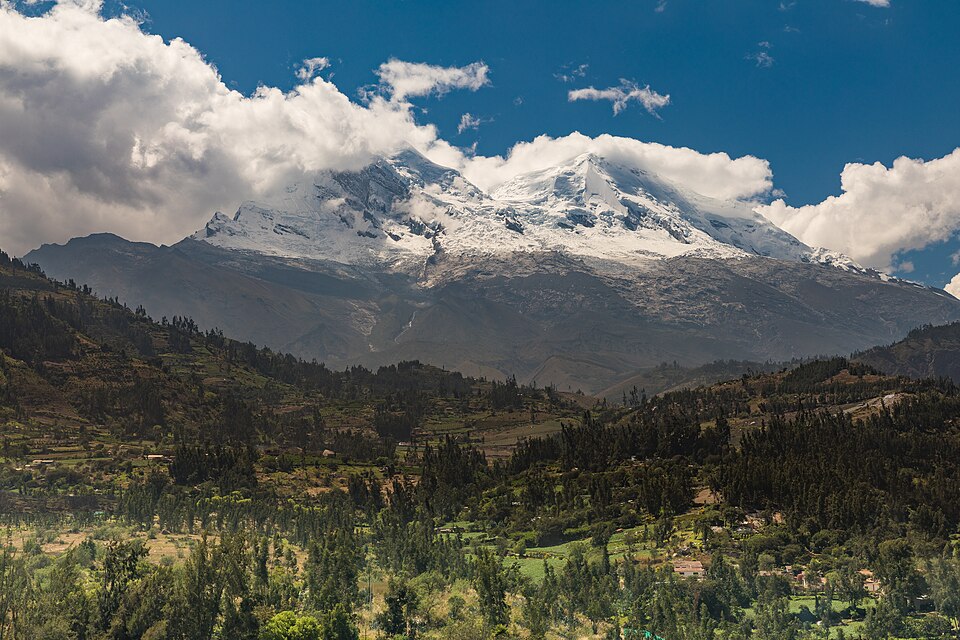
Huaraz is a high-altitude Andean city in Peru's Ancash region. It is not a standard stop on the usual Peru itinerary the way Cusco or Lima are, but among travellers who love snow peaks, alpine lakes and trekking it is already well known. Huaraz is most often used as the base city for visiting Huascaran National Park and the Cordillera Blanca.
📌 Why Travellers Come to Huaraz
1. Andean snow-peak scenery
You can get close to the snow-covered range of the Cordillera Blanca.
2. Alpine lake trekking
Blue high-altitude lakes such as Laguna 69 and Llanganuco are the signature draw.
3. A nature-focused side of Peru
Unlike ruins-focused itineraries, the time here goes into walking, climbing and simply looking.
4. Altitude acclimatization required
Huaraz and the trekking routes around it sit at high elevation, so it is best to build extra time into the itinerary.
Alpine Lakes in the Cordillera Blanca
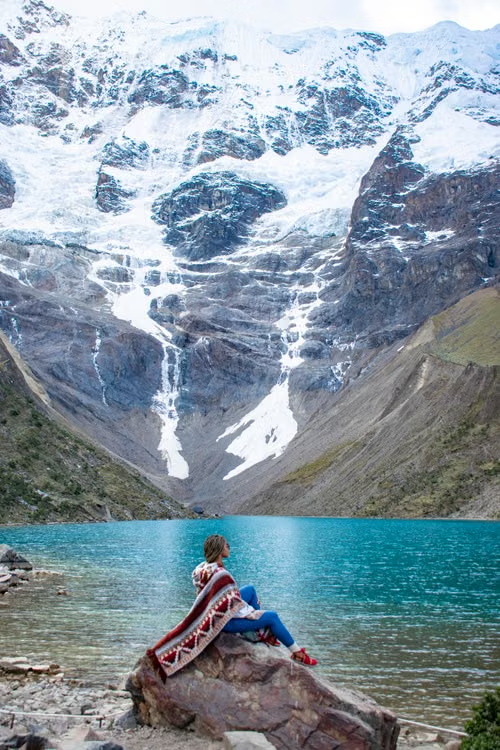
At the heart of a trip to Huaraz is the Cordillera Blanca.
The Cordillera Blanca is a mountain region running through Peru's northern Andes, where snow-capped summits, glaciers and blue alpine lakes appear together. It is this scenery that made Huaraz known as one of Peru's great nature destinations. Several high-altitude lakes lie within the range, and the two travellers visit most are Laguna 69 and Llanganuco.
Laguna 69 sits inside Huascaran National Park and is the classic destination you reach on foot. The vivid blue water and the snow peaks rising close behind it are striking, but the elevation is high enough that fitness and acclimatization need to be taken into account.
Llanganuco is the easier of the two if you want alpine lake scenery without the full trek. The broad lake and the ridges wrapped around it give you the Andean landscape Huaraz is known for. The two can look similar in photographs, but they differ in how you experience them.
If Laguna 69 is the alpine lake you reach at the end of a trek,
Llanganuco is the one where you can take in the Andes and the water at a more relaxed pace.
Huascaran National Park and the Andean Landscape
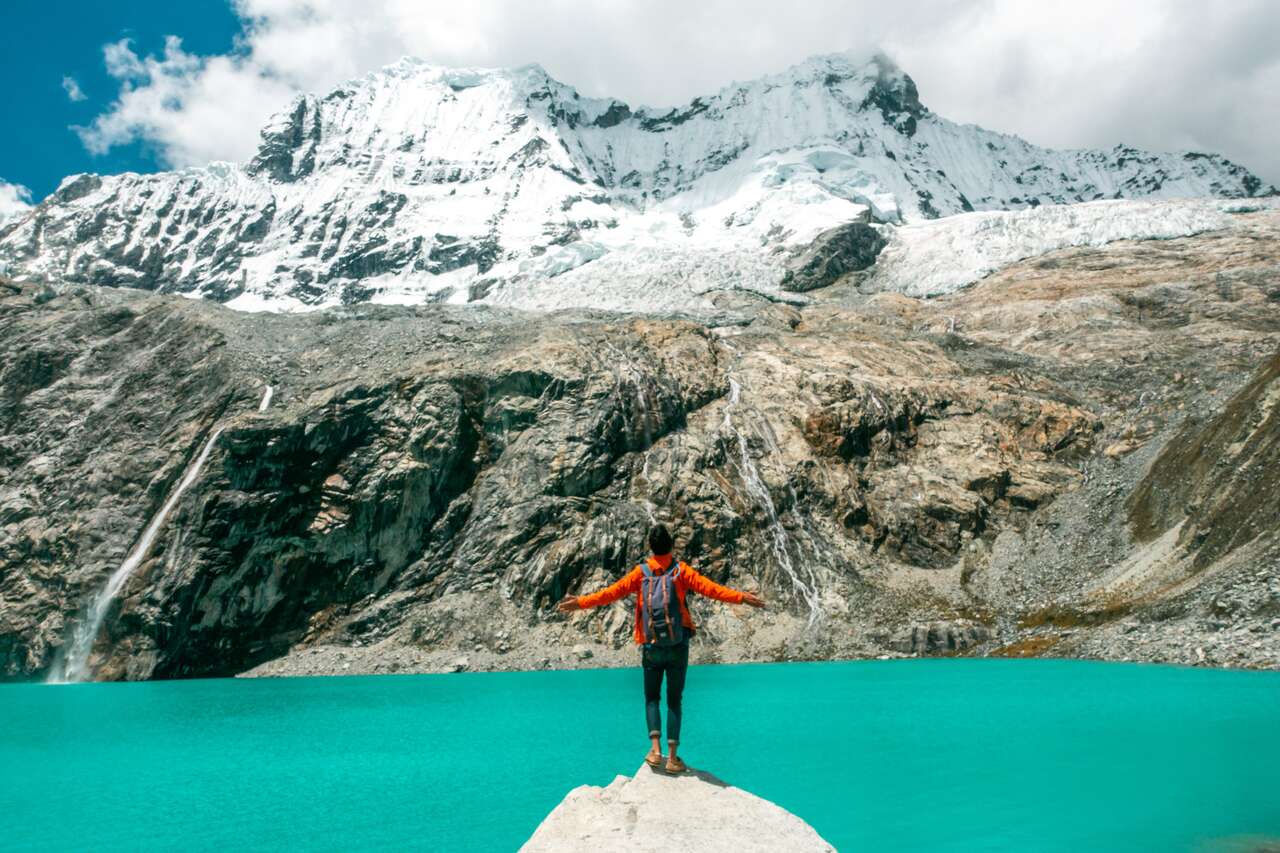
Much of the snow, glacier and alpine lake scenery you see around Huaraz is connected to Huascaran National Park.
Huascaran National Park is a protected area in Peru's Ancash region, covering the mountain terrain and high-altitude ecosystems of the Cordillera Blanca. That makes Huaraz less a city you tour and more a gateway into the Andes by way of the national park. If you want to see a deeper, wilder side of Peru after Machu Picchu and Cusco, Huaraz and Huascaran National Park are well worth a look.
What to Know Before You Go to Huaraz
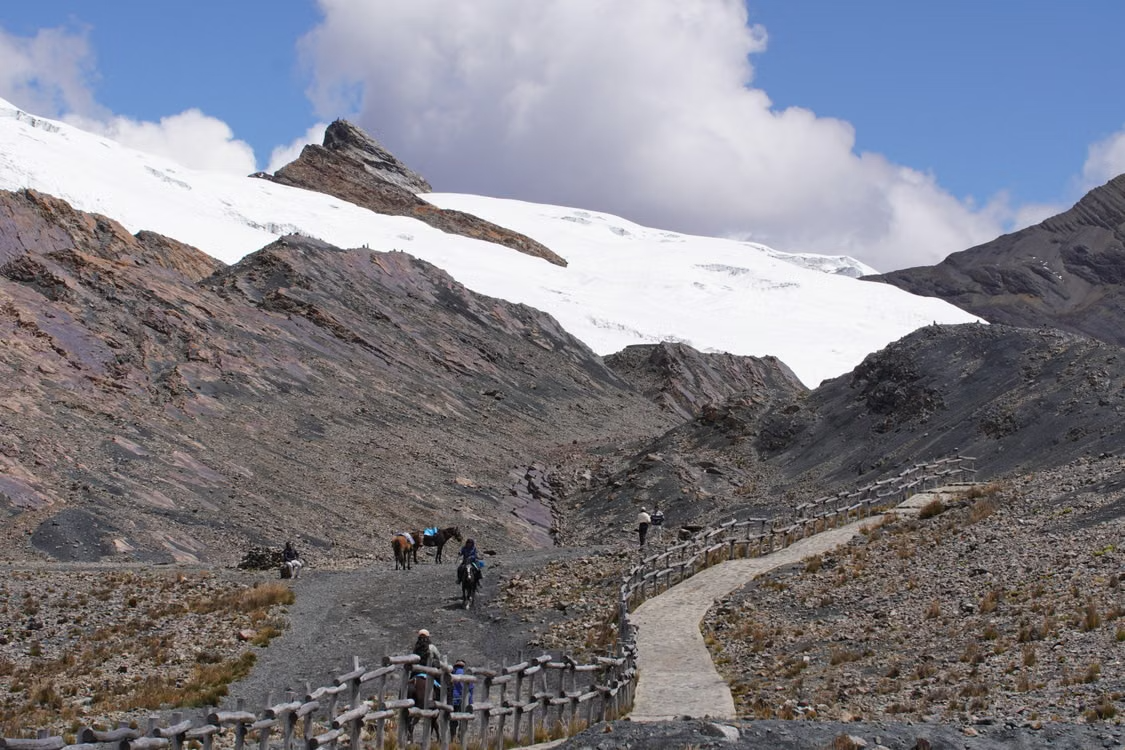
Huaraz is beautiful, but it is not a place to arrive at unprepared. Altitude and stamina matter most. The city itself sits high, and the lakes and trekking routes around it climb higher still.
📌 Preparing for Huaraz
🏔️ Time to acclimatize — Rather than starting a long trek right after arriving, plan on a day to adjust slowly.
👚 Dress in layers — Sunlight is strong during the day, while mornings and evenings can feel cold.
🥾 Check the trek difficulty — Even well-known routes like Laguna 69 can be physically demanding, so choose an itinerary that suits you.
🗓️ Leave room in the schedule — Keep the plan flexible so trekking days can shift with the weather or with how you feel.
Huaraz rewards travellers who slow down and let themselves adjust to the altitude, rather than stopping just long enough for a photo.
Not Sure Where to Start with South America? Reach Out to Ahmo Travel Anytime!
At Ahmo Travel we plan around the season, the itinerary, the routes you will walk and the altitude you will need to adjust to, so that South America feels manageable — and we help arrange accommodation and transport along the way. If you are weighing up a trip to South America, get in touch. From the best time to visit each region to an itinerary built around what you actually want from the trip, we will help you put together the South America journey that fits you best.
Your exciting adventure begins the moment you reach out to us
Ahmo Letter Collection
#Kenya · Safari · East Africa · Travel Tips
Kenya in August and September: Weather, What to Wear, and Safari Packing Essentials
August and September fall in Kenya's dry season, a great window for a Masai Mara safari. Temperatures swing widely with altitude and time of day, so Nairobi and the Masai Mara each call for their own layers. Here are the monthly temperatures, what to wear, and what to pack.
2026.08.25

#Peru · South America · Travel Tips
Peru in August and September: Weather, What to Wear, and Packing Essentials
August and September fall in Peru's dry season — a great window for Machu Picchu and the Andes. But the weather changes sharply with region and altitude, so here is what to wear in Lima, Cusco and Machu Picchu, the essentials worth packing, and how to prepare for the altitude.
2026.08.10

#Peru · South America · Travel Tips · South America Package
Skip the Constraints of a South America Package Tour: A 1:1 Custom Trip on Your Dates, Your Route, Your Pace
Fixed routes, fixed departure dates and minimum group sizes — South America package tours come with constraints you may not expect. Ahmo Travel's 1:1 custom travel starts from the countries, dates and trip length you want: freer than a package, more reassuring than going alone.
2026.08.10
